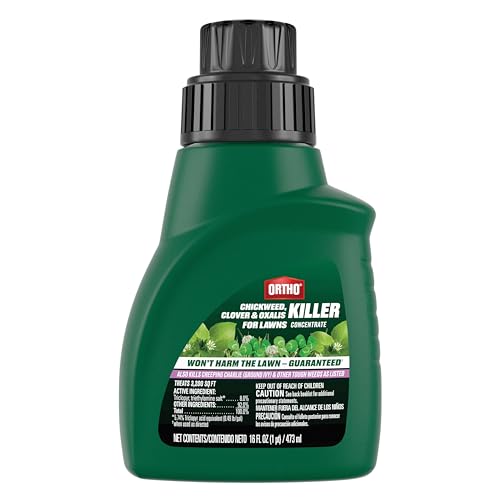
Best Weed and Feed to Get Rid of Dandelions
Dandelions are more than an eyesore — their deep taproots and wind-blown seeds can overtake a lawn in a single season. This guide breaks down how weed and feed products work, which formulations target dandelions most effectively, and how to choose the right tier for your lawn type and maintenance style.
How Weed and Feed Works on Dandelions
Weed and feed products combine two functions in one application: a selective herbicide that targets broadleaf weeds like dandelions, and a fertilizer that feeds the surrounding grass. The herbicide typically contains 2,4-D, dicamba, or a combination of active ingredients that disrupt the growth of broadleaf plants without harming established turfgrass.
Dandelions are particularly vulnerable to these herbicides because they are broadleaf perennials with active growth cycles in spring and fall. When applied correctly, the herbicide is absorbed through the leaves and travels down to the taproot, killing the entire plant — not just the visible top growth. The fertilizer component then supports the grass, helping it thicken and crowd out any surviving weeds.
It is important to understand that weed and feed is a preventive and corrective tool, not a one-time fix. Dandelion seeds can remain viable in soil for years, so a consistent lawn care routine — including proper mowing, watering, and seasonal feeding — is essential for long-term control. For a broader look at lawn weed management, see our guide on the best weed control for lawns.
Key insight: Weed and feed works best when dandelions are actively growing and the grass is healthy enough to absorb the fertilizer. Applying to a stressed or dormant lawn wastes product and may cause more harm than good.
Granular vs. Liquid: Which Is Better for Dandelions?
Weed and feed products come in two main formats, and each has distinct advantages depending on your lawn size, equipment, and preferences.
Granular Weed and Feed
Granular products are broadcast with a spreader and require the lawn to be moist so the granules stick to the weed leaves. They are convenient for large lawns, easy to apply evenly, and often include slow-release fertilizer. However, granular products need rain or irrigation within a day or two of application to activate, and they can be less effective on dandelions with waxy leaves if the granules don't adhere properly.
For homeowners who prefer a straightforward, low-equipment approach, granular is often the go-to choice. If you are dealing with a smaller yard or want more precise control, a liquid concentrate may be a better fit — our article on the best liquid weed and feed concentrate for sprayers covers that option in detail.
Liquid Weed and Feed
Liquid formulations are mixed with water and sprayed onto the lawn. They coat the dandelion leaves more thoroughly, which can lead to faster and more consistent absorption. Liquid products are ideal for spot treatments and for lawns with uneven terrain where a spreader might be difficult to use. They also act more quickly than granular products in most cases.
The trade-off is that liquid applications require a sprayer and careful calibration to avoid over-application. They also have a shorter residual effect than slow-release granular fertilizers, so you may need to reapply more frequently. For a deeper comparison, see our guide on the best liquid weed and feed for St. Augustine grass, which also discusses grass-type considerations.
Timing Is Everything: When to Apply Weed and Feed
The single most common reason weed and feed fails to control dandelions is poor timing. Dandelions are most vulnerable when they are actively growing and storing energy in their roots — typically in early spring and early fall. Applying herbicide when dandelions are dormant or when temperatures are too high or too low will not kill the taproot.
Here are the key windows for application:
- Early spring: Apply when dandelions are actively growing but before they flower and set seed. This is the most common window for weed and feed.
- Early fall: A second application in early autumn targets dandelions that germinated over summer and helps prepare the lawn for winter. Fall is often considered the best time for broadleaf weed control because the weeds are storing energy for winter, which helps the herbicide travel to the roots.
- Avoid summer heat: Applying herbicide when temperatures exceed 85°F (29°C) can stress the grass and reduce effectiveness. Similarly, avoid application during drought or when the lawn is dormant.
Always check the product label for specific temperature and timing recommendations, as formulations vary. If you are dealing with dandelions in a particularly stubborn patch, a targeted approach — such as spot-spraying with a liquid concentrate — may be more effective than a broadcast application. Our article on the best way to get rid of dandelions in your lawn covers both broadcast and spot-treatment strategies.
Product Tiers: Premium, Mid-Range, and Entry-Level
Weed and feed products fall into three broad tiers based on formulation complexity, active ingredient blend, and fertilizer quality. Understanding these tiers helps you choose the right product for your lawn's needs without over- or under-investing.
Premium Tier
Premium weed and feed products typically feature a multi-action formula that combines broadleaf herbicide with a slow-release nitrogen fertilizer and sometimes additional micronutrients. These products are designed for lawns that need both weed control and long-term feeding, and they often have a wider application window and lower risk of turf burn. They may include features like enhanced particle adhesion for better weed coverage or a combination of contact and systemic herbicides for faster visible results.
Premium products are best suited for homeowners with high-maintenance lawns, large properties, or persistent dandelion problems that have not responded to simpler formulations. They are also a good choice if you want to reduce the number of separate lawn care applications per season. For those dealing with multiple weed types, our guide on the best product to get rid of weeds in lawn offers a broader comparison.
Mid-Range Tier
Mid-range weed and feed products offer a solid balance of performance and value. They typically contain a proven broadleaf herbicide (often 2,4-D or a blend) and a balanced fertilizer, but may lack the slow-release technology or micronutrient package of premium options. Mid-range products are the most common choice for residential lawns and are generally effective for typical dandelion control when applied at the right time.
If your lawn is in reasonably good health and you are mainly dealing with scattered dandelions, a mid-range granular or liquid product will usually do the job. These products are widely available and easy to apply with standard lawn equipment. Our article on the best organic fertilizer and weed killer for lawn explores some mid-range natural options for those who prefer organic formulations.
Entry-Level Tier
Entry-level weed and feed products are budget-friendly options that provide basic broadleaf weed control and a straightforward fertilizer boost. They may use a single active ingredient and a quick-release nitrogen source, which means they act faster but may need more frequent reapplication. Entry-level products are a good starting point for small lawns, first-time homeowners, or as a stopgap before investing in a more comprehensive lawn care program.
Keep in mind that entry-level products may be less effective on tough, established dandelions with deep taproots, and they may require more precise timing to avoid turf injury. They are best used as part of a broader lawn care strategy that includes proper mowing, watering, and aeration. For a detailed comparison of how entry-level options stack up against mid-range and premium products, see our guide on the best weed and feed to get rid of dandelions.
Comparison Table: Weed and Feed Tiers for Dandelion Control
| Feature | Entry-Level | Mid-Range | Premium |
|---|---|---|---|
| Herbicide blend | Single active ingredient | Two-way blend | Multi-action blend |
| Fertilizer type | Quick-release | Balanced blend | Slow-release + micronutrients |
| Application flexibility | Narrow window | Moderate window | Wide window |
| Dandelion taproot kill | Moderate | Good | Excellent |
| Best for | Small lawns, first-time users | Typical residential lawns | High-maintenance or large lawns |
Application Tips for Best Results
Even the best weed and feed product will underperform if applied incorrectly. Follow these tips to maximize dandelion control and protect your lawn:
- Water lightly before granular application: A slightly moist lawn helps granules adhere to dandelion leaves. Do not water so heavily that the granules wash off before the herbicide is absorbed.
- Apply when the grass is dry but the soil is moist: This is the ideal condition for most weed and feed products. Avoid applying to wet grass, which can cause uneven coverage.
- Do not mow for 2–3 days before and after application: Mowing removes the weed leaves that need to absorb the herbicide, and mowing too soon after application can reduce effectiveness.
- Keep pets and children off the lawn until the product has dried or been watered in: Follow the label instructions for the exact waiting period.
- Calibrate your spreader or sprayer: Over-application can burn the lawn; under-application will not control dandelions. Use the rate specified on the label.
- Do not apply during windy conditions: Herbicide drift can damage desirable plants in nearby beds or your neighbor's yard.
If you prefer a more targeted approach for individual dandelions, a spray weed killer that won't kill grass can be used for spot treatments between broadcast applications. For those who want to avoid synthetic chemicals entirely, our article on the best way to get rid of dandelions without chemicals covers manual removal and organic alternatives.
Common Mistakes to Avoid
Many homeowners apply weed and feed and then wonder why the dandelions come back within a few weeks. Here are the most common pitfalls:
- Applying too late in spring: Once dandelions have flowered and set seed, the herbicide is less effective at killing the taproot. Aim for early spring when the plants are leafy but not yet flowering.
- Using weed and feed as a one-time fix: Dandelion seeds can germinate throughout the season. A single application will not eliminate the seed bank in your soil. Plan for at least two applications per year — spring and fall — and combine with proper lawn maintenance.
- Mowing too short: Dandelions thrive in thin, short lawns. Raising your mower height and mowing regularly helps grass shade out dandelion seedlings. For more on mowing techniques, see our guide on the best way to get rid of weeds in my lawn.
- Ignoring soil health: Compacted, poorly drained soil favors dandelions. Aerating and top-dressing with compost improves grass vigor and reduces weed pressure. Our article on the best grass seed for clay soil and full sun is helpful if your soil conditions are challenging.
- Overlooking pet safety: Some weed and feed products contain ingredients that can be harmful to dogs. If you have pets, choose a product specifically formulated for pet safety — our guide on the best weed and feed that is safe for dogs covers this in detail.
Ready to Reclaim Your Lawn?
Browse our top recommendations for dandelion-specific weed and feed products, organized by tier so you can choose the right fit for your lawn and your maintenance routine.
View Recommended Products ↓Frequently Asked Questions
What is the best time of year to apply weed and feed for dandelions?
Early spring (when dandelions are actively growing but before they flower) and early fall are the two best windows. Fall applications are often more effective because dandelions are storing energy in their roots for winter, which helps the herbicide travel downward. Avoid summer heat and winter dormancy.
Will weed and feed kill dandelions permanently?
Weed and feed can kill existing dandelions, including their taproots, when applied correctly. However, dandelion seeds can remain viable in soil for years, so new plants can emerge from the seed bank. Consistent lawn care — including regular mowing, proper watering, and seasonal weed and feed applications — is necessary for long-term control.
Is granular or liquid weed and feed better for dandelions?
Both can be effective. Granular is convenient for large lawns and provides slow-release feeding, while liquid coats weed leaves more thoroughly and acts faster. Liquid is often better for spot treatments and uneven terrain; granular is easier for broadcast applications. Choose based on your lawn size, equipment, and how quickly you want visible results.
Can I apply weed and feed if rain is forecast?
Light rain within 24–48 hours of a granular application is actually beneficial — it helps activate the product and move it into the soil. However, heavy rain immediately after application can wash the product off the lawn before it is absorbed. Check the label for specific rain-fast recommendations.
Will weed and feed harm my grass?
When applied at the correct rate and timing, weed and feed is designed to be selective — it targets broadleaf weeds while leaving turfgrass unharmed. However, over-application, applying during temperature extremes, or using the wrong formulation for your grass type can cause turf injury. Always follow the label instructions and choose a product labeled for your specific grass species.
How long does it take to see results after applying weed and feed?
Visible signs of dandelion decline — such as yellowing, curling, or wilting leaves — usually appear within 1–2 weeks for liquid products and 2–4 weeks for granular products. Complete kill, including the taproot, may take 3–4 weeks. Do not reapply too soon; give the product time to work.
Can I use weed and feed on a newly seeded lawn?
Most weed and feed products should not be applied to newly seeded lawns until the grass has been mowed at least 3–4 times and is well established. Applying herbicide too early can damage tender seedlings. Check the product label for specific timing guidelines relative to seeding.
Final Thoughts
Choosing the best weed and feed to get rid of dandelions comes down to matching the product tier to your lawn's condition, your maintenance habits, and your long-term goals. Entry-level products are a practical starting point for small lawns, mid-range formulations offer reliable performance for most residential yards, and premium products provide the most comprehensive control and feeding for high-maintenance landscapes.
Whichever tier you choose, remember that timing and application technique matter as much as the product itself. Apply when dandelions are actively growing, follow the label instructions precisely, and pair weed and feed with good cultural practices — proper mowing height, adequate watering, and periodic aeration — to build a lawn that naturally resists dandelion invasions. For additional strategies on dandelion control, explore our guides on the best way to get rid of dandelions in yard and the best way to get rid of dandelions in your yard.