Best Time to Plant Hosta Bulbs
Learn the optimal timing, soil conditions, and step-by-step techniques for planting hosta bulbs to create a thriving, low-maintenance shade garden that will flourish for years.
READ THE GUIDEKey Insight: The absolute best time to plant hosta bulbs is in early spring (March–April) or early fall (September–October). These periods offer the ideal balance of cool soil temperatures and moisture to encourage robust root establishment before the extreme heat of summer or the freeze of winter.
Why Timing Matters for Hosta Bulbs
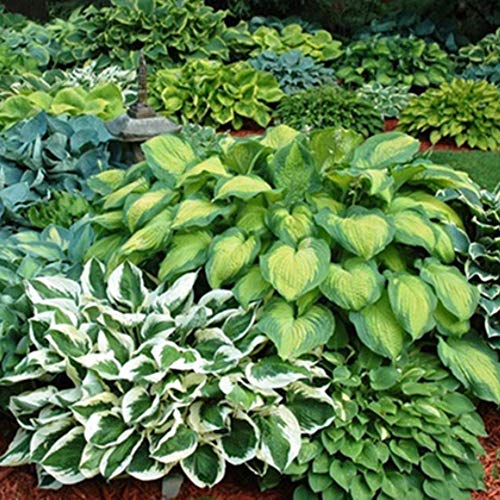
Hostas are beloved shade perennials prized for their lush foliage and tolerance to low-light conditions. However, even these hardy plants require the right start. Planting at the correct time ensures the bulbs (actually rhizomes or bare roots) have enough time to establish a strong root system before facing environmental stress. Learn more about hostas and their growth habits.
In early spring, the soil is moist and temperatures are mild—perfect for root growth. Planting too early while the ground is still frozen can rot the bulbs, while planting too late in summer exposes young plants to heat stress. Similarly, early fall planting allows roots to develop before the ground freezes, giving the plant a head start in spring.
Seasonal Breakdown: Spring vs. Fall Planting
🌸 Spring Planting (March–April)
Best for mild climates. Plant as soon as the soil is workable. Avoid frost dates—wait until the last frost has passed.
Pros: Rapid root growth, longer first season.
🍂 Fall Planting (September–October)
Ideal for regions with hot summers. Cooler temperatures and consistent rain help roots settle in.
Pros: Less watering needed, less stress from heat.
☀️ Summer Planting (Avoid)
High temperatures and dry conditions cause transplant shock. Only plant if you can provide consistent water and shade.
❄️ Winter Planting (Avoid)
Frozen soil prevents root establishment. Bulbs may rot or be heave out of the ground.
Step-by-Step Guide to Planting Hosta Bulbs
Follow these simple steps to give your hostas the best start. Proper planting depth, soil preparation, and care are just as important as timing.
- Choose the Right Location: Hostas thrive in partial to full shade. Morning sun with afternoon shade is ideal. Explore shade garden ideas to complement your hostas.
- Prepare the Soil: Hostas prefer rich, well-draining soil. Mix in compost or aged manure to improve fertility and drainage. The ideal pH is between 6.0 and 7.0.
- Dig the Hole: Dig a hole about twice the width of the root ball and deep enough so the crown (where the roots meet the leaves) is level with the soil surface. Planting too deep can cause rot.
- Place the Bulb: Gently place the hosta bulb (or bare root) in the hole with the roots spread out. For potted hostas, gently loosen the roots before planting.
- Backfill and Water: Fill the hole with soil and firm gently. Water thoroughly to settle the soil and eliminate air pockets.
- Mulch: Apply a 2–3 inch layer of organic mulch (shredded bark or leaves) to retain moisture, regulate soil temperature, and suppress weeds. Read our mulch guide for more tips.
💡 Pro Tip: Water your newly planted hostas regularly for the first few weeks to help them establish. Once established, hostas are quite drought-tolerant but perform best with consistent moisture. Learn the best watering practices for your shade garden.
Best Companion Plants for Hostas
Hostas pair beautifully with other shade-loving perennials. Combining different textures and colors creates a dynamic and visually appealing garden.
- Ferns – add feathery texture.
- Astilbe – provides feathery plumes in pink, red, or white.
- Coral Bells (Heuchera) – colorful foliage that contrasts with hostas.
- Bleeding Heart – charming heart-shaped flowers.
For a pollinator-friendly shade garden, consider adding plants that attract pollinators to support local wildlife.
Hosta Aftercare: Keeping Your Bulbs Healthy
Once planted, hostas require minimal maintenance. Here’s how to keep them looking their best year after year.
- Watering: Water deeply once a week during dry spells. Avoid overhead watering to prevent leaf spots.
- Fertilizing: Apply a balanced slow-release fertilizer in early spring. Find the best fertilizer for your garden.
- Dividing: Every 3–5 years, divide mature hostas in early spring or fall to rejuvenate and propagate.
- Pest Control: Watch for slugs and snails. Use organic slug bait or beer traps. Explore natural pest control methods.
- Winter Care: Cut back dead foliage in late fall after the first frost. Apply a fresh layer of mulch to protect roots.
Common Mistakes to Avoid
- Planting too deep: Burying the crown leads to rot. Keep the crown at soil level.
- Too much sun: Hosta leaves will scorch in full afternoon sun. Choose a shady spot.
- Overwatering: Soggy soil causes root rot. Ensure good drainage.
- Ignoring slugs: Slugs love hostas. Use preventative measures early in the season.
Conclusion: Plant at the Right Time for Lush Hostas
Timing is everything when it comes to planting hosta bulbs. By choosing early spring or early fall, preparing the soil properly, and providing consistent aftercare, you'll enjoy a thriving shade garden for decades.
For more inspiration, browse our shade plants that attract hummingbirds and butterflies or spring blooming bulbs for a colorful display.