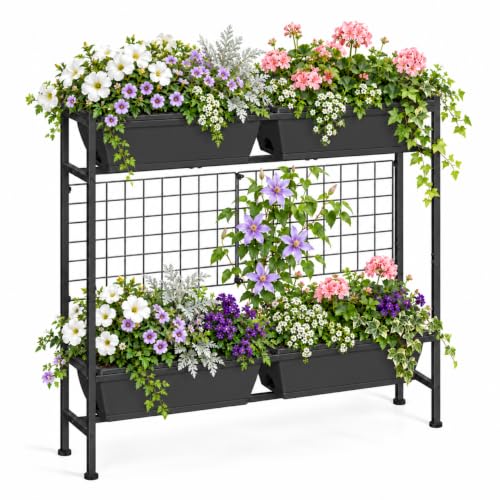
Flower Bed Ideas: Design, Plants & Layout Inspiration
A well-planned flower bed transforms a plain yard into a living, seasonal work of art. Explore layouts, plant pairings, edging styles, and care tips that help you design a bed you will love for years.
Flower beds are one of the most rewarding ways to bring personality and color to a landscape. They frame the front of a house, soften fence lines, edge a patio, or create a focal point at the end of a path. But a great flower bed is more than a collection of pretty plants — it is a design decision about shape, size, sunlight, color, and care that will shape the space for years.
This guide walks you through the most practical and beautiful flower bed ideas for real homes and real budgets. You will learn how to choose a layout, pair plants that thrive together, select an edging style, and keep the bed looking good through every season. By the end, you will have a clear plan you can actually build and maintain.
Quick Summary: Start with the site — sun, soil, and space — before picking plants. Choose a layout that matches the shape of your yard (curved, straight, or island), layer tall plants at the back and low growers at the front, use a simple color palette of two or three tones, and finish with clean edging and mulch for a polished look.
Start With the Site: Sun, Soil, and Shape
Before you fall in love with a plant or a photo, evaluate the spot where the flower bed will live. The site determines which plants will thrive and which will struggle, and it shapes the bed's overall form. Getting this step right saves years of replanting and frustration.
- Sun exposure: Track how many hours of direct sun the area receives. Full sun means six or more hours; partial shade means three to six; full shade is under three.
- Soil type: Sandy, clay, or loamy soil determines drainage and nutrient retention. Amend with compost where needed before planting.
- Water access: A hose or drip line near the bed keeps maintenance simple. For bigger projects, the drip irrigation for raised beds guide is a useful reference.
- Shape of the space: Curved beds soften straight architecture. Straight beds look clean along fences or walkways. Island beds work well in open lawns.
- Viewing angle: If a bed is viewed from one side, layer plants tall to short. If viewed from all sides, plant tall in the center and low at the edges.
Flower Bed Layout Ideas by Style
The layout of a bed is what visitors actually notice. A clear, well-organized shape gives even a small collection of plants a professional look. Here are practical ideas for common yard situations.
Curved Foundation Bed
Soft, flowing curves across the front of a house create a welcoming look. Plant taller shrubs at the corners and layer flowers toward the front.
Front yardStraight Border Along Fence
A straight border gives order along a fence or property line. Use repeated plant groupings for rhythm and keep the edge crisp.
Clean linesIsland Bed in Open Lawn
An island bed works best with a rounded or teardrop shape and plantings that look good from every angle, tall in the center and low at the edges.
All-around viewPathway Border
Low, tidy plants along a walkway guide the eye and soften hard edges. Fragrant or colorful plants add interest as you walk past.
EntrywayShade Bed Under Trees
Shade beds work best with layered textures and foliage plants. The shade garden design guide and landscaping ideas for shade offer strong starting points.
ShadeZen or Minimalist Bed
Simple textures, evergreens, and a few carefully chosen blooms create a calm, modern look. The zen garden ideas guide expands on this style.
ModernPlant Pairings That Work Together
Great flower beds combine plants with complementary heights, bloom times, and textures. A few classic pairings do the heavy lifting so you do not have to guess.
- Sun-loving perennials: The full sun perennials guide lists reliable options that return year after year.
- Spring bulbs: Tulips and daffodils bloom early and then give way to summer perennials. The spring bulbs overview covers timing and placement.
- Summer color: The flowers that bloom in summer guide shows how to keep the bed colorful into August.
- Shade foliage: Hosta and heuchera add lasting leaf color in shade beds. See the hosta guide, hosta varieties, and heuchera overview.
- Pollinator-friendly: The plants that attract pollinators guide pairs well with ornamental flower beds.
- Deer-resistant: The plants that deer and rabbits don't eat list is a useful reference in rural or suburban yards.
Color and Structure: The Two Rules That Matter Most
Designers rely on two rules to make a bed look intentional: a limited color palette and a layered structure. Together, these rules turn a random collection of plants into a cohesive garden.
- Pick two or three main colors: A limited palette ties the bed together. Complementary pairs (like purple and yellow) create energy; analogous pairs (like pink and burgundy) feel calm and refined.
- Layer height for depth: Tall plants at the back or center, medium plants in the middle, and low growers or ground covers at the front.
- Repeat plants in groups of three or five: Repetition creates rhythm and prevents the bed from looking cluttered.
- Include foliage for structure: Foliage plants carry the bed when flowers are between blooms. Evergreens and ornamental grasses keep the bed interesting year-round.
- Plan for every season: Combine spring bloomers, summer performers, and fall interest so the bed has a reason to be looked at across the year.
Edging and Finishing Touches
Edging is the frame of a flower bed. A crisp edge separates the bed from the lawn, keeps grass from creeping into the flowers, and gives the whole design a finished look. Different edging styles suit different yards.
| Edging Style | Best For | Maintenance |
|---|---|---|
| Spade-cut edge | Classic look, curved beds, garden borders | Refreshed once or twice per year |
| Metal edging | Clean lines, modern homes, sloping sites | Low maintenance, install once |
| Stone or brick border | Formal beds, front yard foundation borders | Occasional weeding between stones |
| Wood or timber edge | Raised beds, rustic gardens | Periodic repair or replacement |
Add a layer of mulch after planting to retain moisture, suppress weeds, and unify the bed. Two to three inches of organic mulch is a good baseline, kept a few inches away from plant stems. For general landscape finishing touches, the outdoor decor guide and the patio decor overview provide complementary ideas.
Caring for a Flower Bed Through the Seasons
A beautiful flower bed is a living space. It evolves with the seasons, and a little care at the right times keeps it looking great all year.
- Spring: Cut back winter-damaged growth, refresh mulch, and plant new additions once soil warms.
- Summer: Water deeply, deadhead spent blooms, and watch for pests. The natural pest control guide and organic pest control overview offer low-impact solutions.
- Fall: Plant bulbs for spring, divide crowded perennials, and clean up spent foliage.
- Winter: Leave seed heads for birds and texture. The overwintering guide covers protection strategies for tender plants.
- Year-round: Feed according to plant needs, mulch to conserve moisture, and thin or divide plants as they mature.
Readers planning broader yard work may benefit from the composting overview, the compost tea guide, and the companion planting reference. These resources support healthier soil and more resilient plant groupings.
Common Flower Bed Mistakes to Avoid
Even beautiful designs fail when these mistakes are made. Fixing them early keeps the bed healthy and easier to maintain.
- Planting too densely: New plants need room to grow. Overcrowded beds become a maintenance burden within a season.
- Ignoring mature plant size: A tiny nursery plant can become a six-foot shrub. Read mature dimensions before planting.
- Skipping soil preparation: Healthy soil is the foundation of healthy plants. Amend before planting, not after.
- Choosing plants for looks only: Match plants to your sun, soil, and watering habits first, then choose color.
- No clear edge: A messy edge makes the bed look unfinished and lets grass creep in.
- Forgetting about winter: Include evergreens, grasses, or structural plants so the bed still has shape in the off-season.
Frequently Asked Questions
Ready to Build Your Dream Flower Bed?
Browse our curated selection of flower bed tools, edging, mulch, and planting essentials to make your new flower bed a success from the first season.
View Recommended Products